Uncategorized
Perfect Binding vs. Coil Binding: Which is Right for Your Book?
Perfect Binding vs. Coil Binding: How to Choose?
When deciding on Perfect Binding vs Coil Binding, one of the most common questions we get at BookPrintCanada is: “Which binding style should I choose?”
It’s a great question. The way your book is bound doesn’t just affect how it looks; it affects how your readers use it.
Since we specialize in high-quality softcover (paperback) printing, we offer two primary binding styles: Perfect Binding and Plastikoil (Coil) Binding. Both are durable and professional, but they serve very different purposes.
Here is our guide to help you pick the winner for your project.
1. Perfect Binding (The “Bookstore” Look)
If you walk into a Chapters or Indigo and pick up a paperback novel, you are holding a perfect-bound book.
What is it?
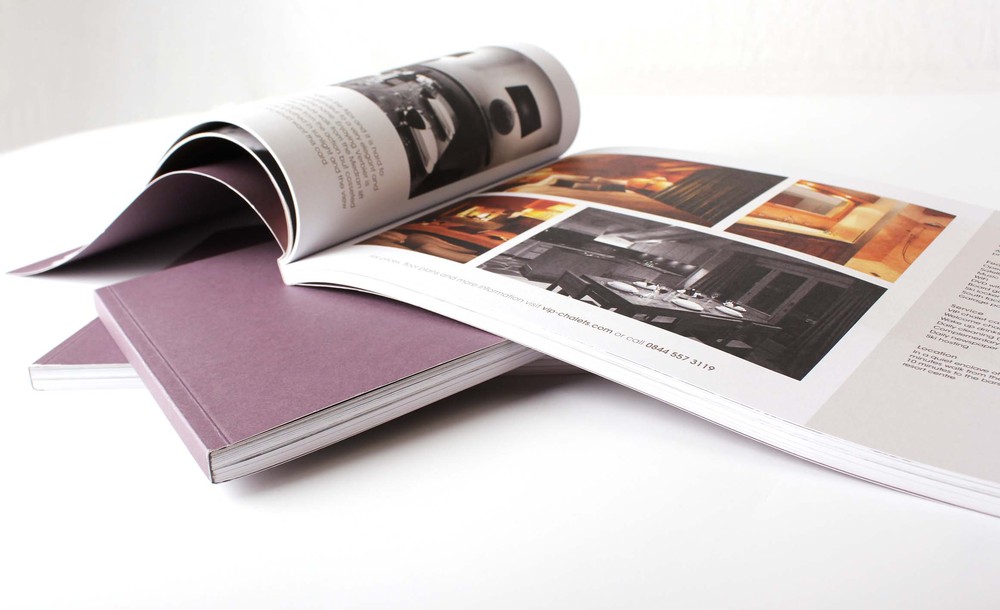
The pages are stacked together, and the spine is glued with a strong, flexible thermal adhesive. A continuous cover is wrapped around the glue, creating a square, printable spine.
Best Used For:
- Novels and Fiction
- Memoirs and Biographies
- Corporate Annual Reports
- Magazines and Catalogs (thicker ones)
The Pros:
- Professional Appearance: It looks like a “real” book you’d find on a shelf.
- Printable Spine: You can print the book title and author name on the spine, making it easy to identify when stacked on a bookshelf.
- Cost-Effective: For thicker books, it is often the most affordable option.
The Cons:
- Won’t Lay Flat: You have to hold the book open with your hands. If you force it flat, you risk cracking the spine (though our PUR glue is very flexible!).
2. Coil Binding (The “Hands-Free” Choice)
Also known as Spiral Binding or Plastikoil, this is the champion of utility.
What is it?
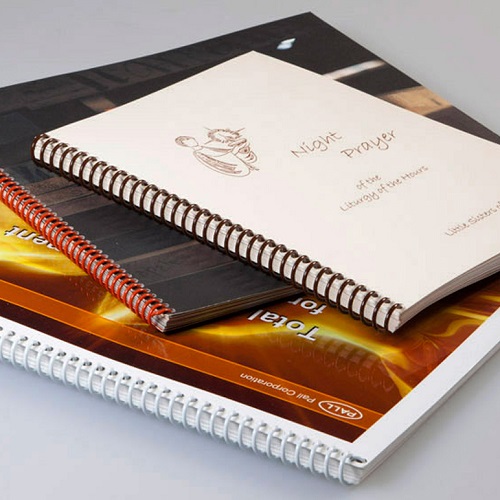
We punch a series of small holes along the edge of the paper and wind a continuous plastic coil through them.
Best Used For:
- Cookbooks (Recipes)
- Training Manuals & Workbooks
- School Agendas
- Music Books
The Pros:
- Lays Completely Flat: This is the #1 reason to choose coil. You can open the book on a desk, and it stays open. No hands needed.
- 360-Degree Rotation: You can fold the cover all the way back, taking up less space on a crowded table.
- Durability: The plastic coil is virtually indestructible. It won’t crush or bend like wire might.
The Cons:
- No Spinal Text: The spine is just the plastic coil, so you can’t read the title when it’s on a shelf.
- Less “Formal”: It has a more industrial or educational look compared to the sleek perfect binding.
Summary: Which One Wins?
- Choose Perfect Binding if: You are publishing a book to sell, or you want a professional presentation that looks great on a bookshelf.
- Choose Coil Binding if: The book is a tool (like a manual or cookbook) that will be used daily and needs to stay open on a desk.
Still Not Sure?
We know that feeling the paper and seeing the binding makes a huge difference.
At BookPrintCanada, we are experts in both. Whether you need 10 copies of a family cookbook or 500 copies of a business manual, we handle your project with care right here in Canada.
Ready to start?
[> Click here to get a Fast Quote]
